

In an age where cyber threats are increasingly sophisticated and prevalent, safeguarding sensitive business data has never been more critical. One of the most effective security measures that businesses can implement is Multi-Factor Authentication (MFA). This blog post will delve into what MFA is, how it works, and why it is essential for your business.
What is Multi-Factor Authentication (MFA)?
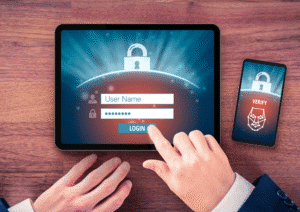
Multi-Factor Authentication (MFA) is a security process that requires users to provide two or more verification factors to gain access to a resource such as an application, online account, or VPN. Unlike traditional single-factor authentication methods, which rely solely on a password, MFA adds an extra layer of security by combining multiple factors.
The Different Factors of Authentication
MFA typically involves three categories of information:
- Something you know: This could be a password, PIN, or answers to security questions. It is the most common method of authentication but also the most vulnerable to attacks such as phishing or brute force.
- Something you have: This could be a physical device such as a smartphone, security token, or smart card. The user must have this device in their possession to complete the authentication process.
- Something you are: This involves biometric verification methods such as fingerprints, facial recognition, or voice recognition. Biometric factors are unique to each individual and are difficult to replicate.
How Does MFA Work?
The MFA process involves several steps:
- Initial Login Attempt: The user enters their username and password as the first factor of authentication.
- Prompt for Additional Factor: If the initial credentials are correct, the system prompts the user to provide a second factor. This could be a code sent to their mobile device, a fingerprint scan, or a one-time password (OTP) generated by an authentication app.
- Verification: The user provides the additional factor, and the system verifies it. If the verification is successful, the user is granted access to the resource.
By requiring multiple forms of identification, MFA ensures that even if one factor (such as a password) is compromised, unauthorised access is still unlikely without the additional verification factors.
Why Businesses Need MFA
Enhanced Security
The primary benefit of MFA is the significantly enhanced security it provides. Passwords alone are often insufficient to protect sensitive data, as they can be easily guessed, stolen, or compromised. By incorporating additional factors, MFA reduces the risk of unauthorised access and data breaches.
Compliance with Regulations
Many industries are subject to regulations that mandate the implementation of strong authentication measures to protect sensitive information. For example, the General Data Protection Regulation (GDPR) in Europe and the Health Insurance Portability and Accountability Act (HIPAA) in the United States both require robust security measures, including MFA, to ensure data protection and privacy.
Protection Against Credential Theft
Credential theft is a common tactic used by cyber criminals to gain unauthorised access to sensitive data. MFA helps mitigate this risk by requiring more than just a stolen password to access an account. Even if an attacker obtains the user’s password, they still need the additional verification factors, making it much more difficult to compromise the account.
Improved User Trust
Implementing MFA demonstrates to customers and partners that your business takes data security seriously. This can enhance trust and confidence in your organisation, as clients and stakeholders are more likely to engage with a business that prioritises the protection of their information.
Adaptability and Scalability
MFA solutions can be tailored to fit the specific needs of your business, regardless of its size or industry. Whether you have a small team or a large organisation, MFA can be scaled to provide the appropriate level of security for all users and resources.
Cost-Effective Security
While there are costs associated with implementing MFA, the potential savings from preventing data breaches and cyber-attacks far outweigh the initial investment. Data breaches can result in substantial financial losses, legal penalties, and damage to your business’s reputation. By investing in MFA, you are proactively protecting your organisation from these costly incidents.
Implementing MFA in Your Business
Assess Your Current Security Posture
Before implementing MFA, it’s essential to assess your current security measures and identify any vulnerabilities. This will help you determine the specific areas where MFA can provide the most significant benefit.
Choose the Right MFA Solution
There are various MFA solutions available, each with its own set of features and capabilities. Consider factors such as ease of use, compatibility with existing systems, and the level of security provided when selecting an MFA solution for your business.
Educate Your Employees
Employee awareness and training are critical to the successful implementation of MFA. Ensure that your staff understands the importance of MFA and how to use it effectively. Provide clear instructions and support to help them navigate the authentication process.
Monitor and Maintain
Regularly monitor the effectiveness of your MFA implementation and make adjustments as needed. Stay informed about new threats and advancements in authentication technology to ensure that your security measures remain robust and up to date.
Conclusion
In today’s digital landscape, the importance of Multi-Factor Authentication (MFA) cannot be overstated. By requiring multiple verification factors, MFA provides a robust defence against unauthorised access, data breaches, and cyber-attacks. Implementing MFA is a proactive step that businesses can take to protect their sensitive information, comply with regulations, and build trust with their clients and partners. Make MFA a cornerstone of your cyber security strategy, and stay vigilant against the ever-evolving threats to your business’s data.